2.12.2024
Le Droit – Brigil fait passer la transformation du boulevard Saint-Joseph en deuxième vitesse
The landscape at the intersection of Saint-Joseph and Saint-Raymond Boulevards in the Hull sector has not changed much since the Place Cartier shopping center was built by the Loeb family 60 years ago. Older residents surely remember the heyday of the Vendôme cinema. A major transformation of the area is now about to begin.
Brigil, the company that now owns the site under the name Canevas, confirmed to Le Droit that the first of several residential buildings planned for the site will begin construction this summer, or at the latest, in the fall. This will mark the beginning of a large-scale reconfiguration of the area, which will take place over 10 to 15 years and will culminate in the demolition of the old shopping center.
Jessy Desjardins, Vice-President of Development at Brigil, notes that the company is putting the finishing touches on the construction sequence planning and the reorganization of parking spaces in preparation for the construction of the first building. The company has all the necessary approvals to begin work.
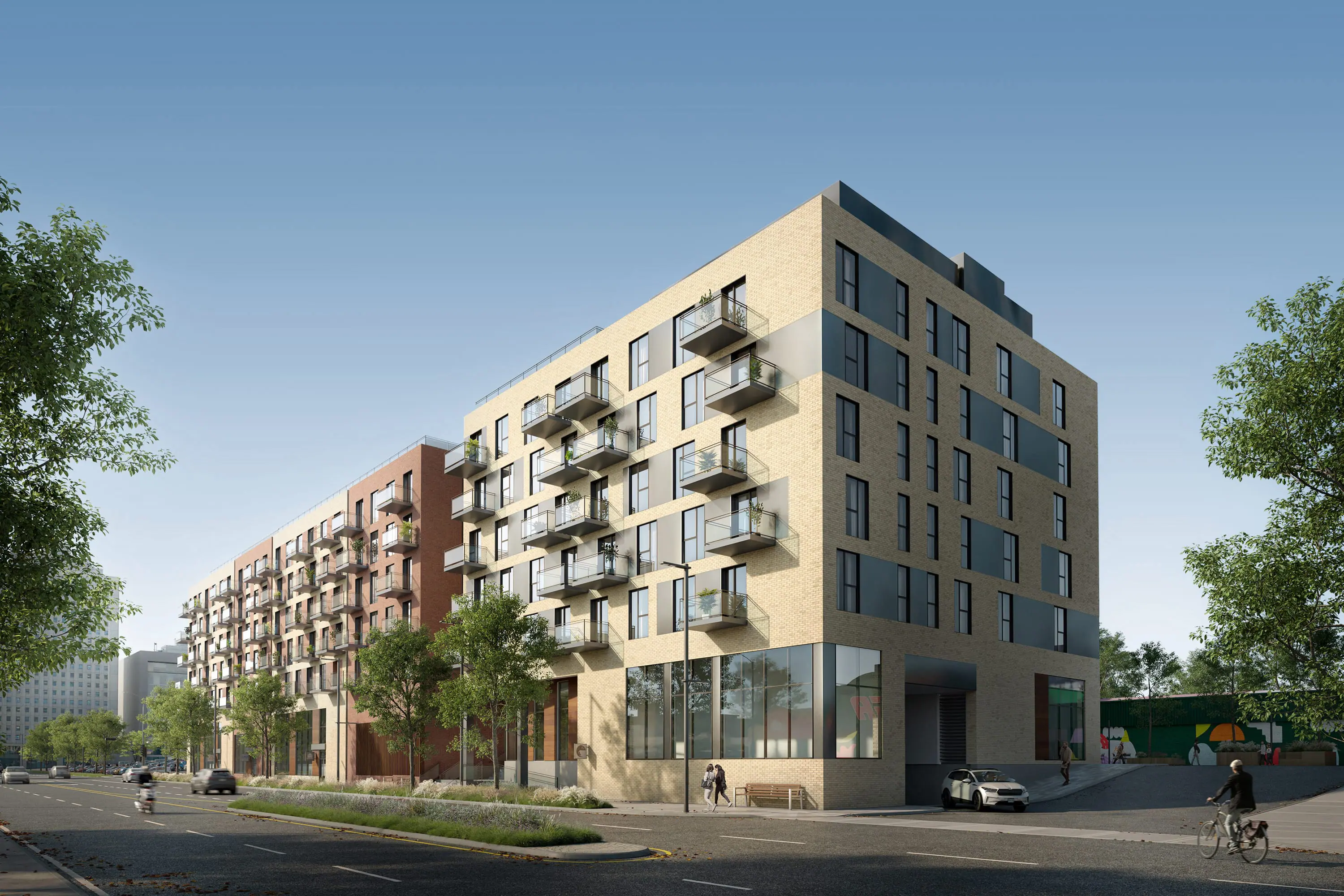
The building to be constructed along Saint-Joseph Boulevard will be six stories tall and include 140 rental units with one or two bedrooms. An underground parking lot with 80 spaces is also planned for residents of the building. The block will effectively hide a large part of the shopping center behind it. The ground-floor spaces will be reserved for commercial use, and some tenants from the old shopping center will move in there.
“This will help better define Saint-Joseph Boulevard and give it a main street effect,” explains Jessy Desjardins. “A porte-cochère along the boulevard will provide permeability to the building and allow pedestrians to access the shopping center. We are completely reorganizing the way people move through the current parking lot.”
This new building, which will be completed in the coming months, is only the first phase of a larger project that could ultimately include between 1,500 and 1,900 units, Desjardins notes. “In ten years, we expect to add three or four more buildings around the shopping center. In total, we plan seven or eight buildings. Toward the end, the shopping center will be deconstructed to create a public square. Commercial activity will gradually move to the ground floors of the new buildings.”
The Walmart, however, could remain part of the landscape for a long time, as the American retailer holds a long-term lease on the site.
The “risk” of investing in Gatineau
Gilles Desjardins, head of Brigil, mentioned to Le Droit earlier this year that he plans to launch 900 units in Gatineau in 2024. He notes, however, that investing in real estate in the current economic climate is becoming less attractive and that building in Gatineau remains complicated due to bureaucratic hurdles and, in his view, the city’s lack of a clear development vision.
“From one crisis to another, I tell myself this is the last, I’ll take a break, but from one crisis to another I keep going,” he says, referring to the current economic turbulence. “But it’s not in my nature to sit still. I’ll eventually slow down to take care of my grandchildren, but for now we keep investing. Yes, the reward is less profitable, it’s less appealing than before, and the return on investment is riskier. The labor shortage also increases this risk. Banks are cautious, their results are not meeting expectations. But we have to keep building.”
“There are currently more profitable investments,” adds Desjardins. “I could say I’m happy with our 5,000-unit rental portfolio. I could take my capital and invest it in the stock market. But I have my two sons, 300 employees in the organization, and about 1,000 more on construction sites. We still have 30,000 units we can build in Gatineau and 20,000 in Ottawa. We will continue to invest in our region.”
“To invest in Gatineau, you have to love your city,” insists the entrepreneur. The comparison he makes with the City of Ottawa in terms of planning and support for real estate developers makes Gatineau look bad by comparison.
“When I attend economic meetings in Ottawa, I leave excited because they have a strategy, and they invest in a vision with clear processes,” explains Desjardins. “In Gatineau, we have good intentions, but it lacks vision. The same story repeats all the time. The city needs to plan better, anticipate better. They need to resolve files like Chemin Vanier. We submitted our plans for our project near Forêt Boucher six months ago and are still waiting for a city representative to be assigned to guide us through this file.”
Gilles Desjardins says he does not want to throw blame at anyone and does not wish to engage in a war of words with the city, but he believes that Gatineau’s shortcomings in urban planning and territorial development have prevented him from building 12,000 more units over the past ten years.
Related News
Lorem ipsum dolor sit amet consectetur adipiscing elit. Praesent commodo nunc vitae justo fermentum, sed posuere sapien dignissim. Curabitur tempus, risus id viverra luctus, nunc elit blandit erat, sit amet finibus orci nisl non justo.
-3840x2400.webp)
4.20.2026
Ontario Expanding HST Rebate to Lower the Cost of New Homes in Partnership with the Federal Government

1.23.2026
Brigil Welcomes Curt Millar as Chief Financial Officer and Executive Vice President

11.5.2025
Since 1985, Brigil Has Been Making Home Ownership More Accessible and is Renewing its Mission

10.14.2025
A Community Manager: The Key to a More Connected and Engaging Experience in Luxury Rental Apartments