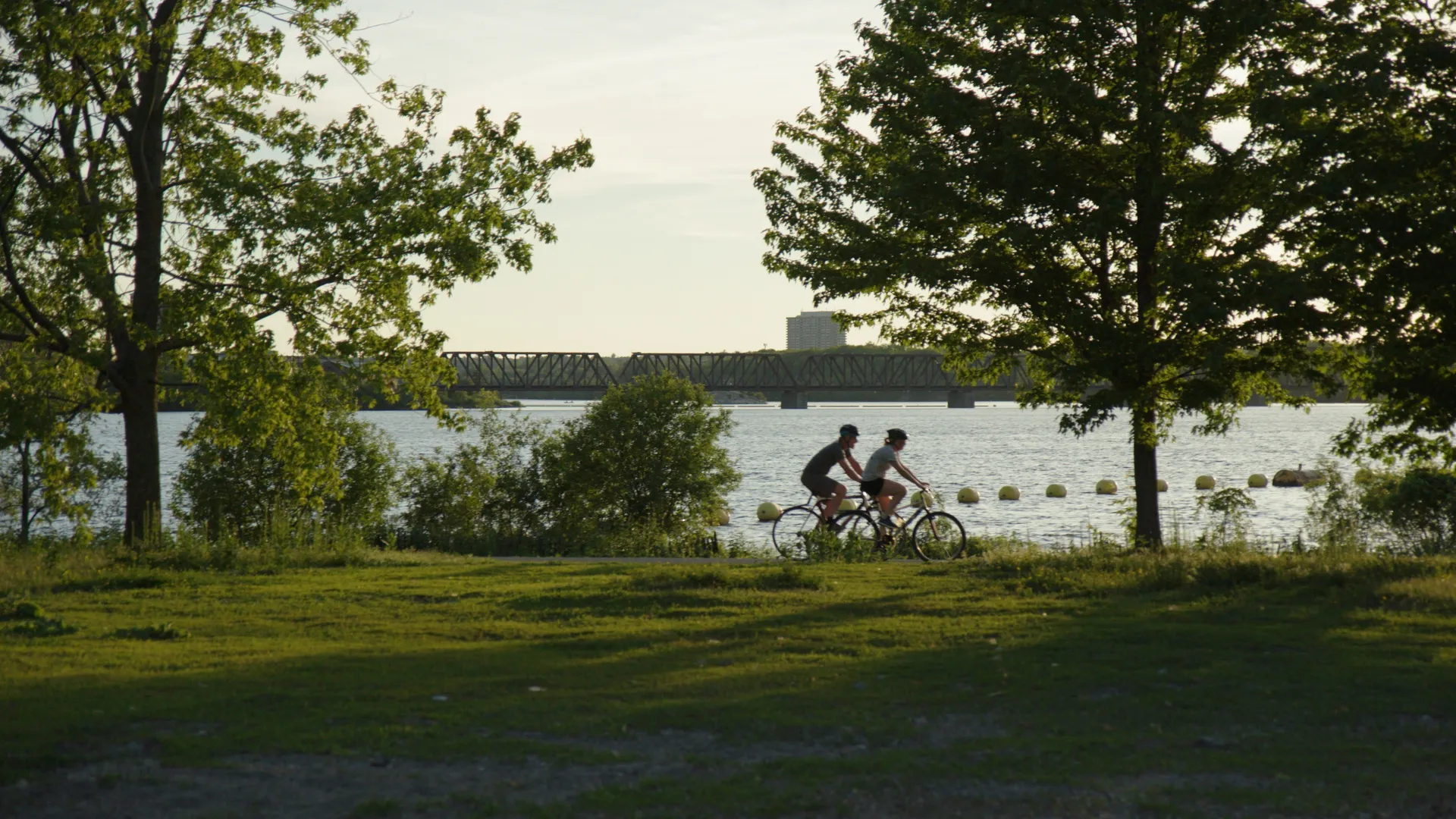
Building a Better Future
Since 1985, we have believed that true progress goes far beyond development: it is about creating dynamic, inclusive, and sustainable communities where everyone can thrive.

Building Human, Complete, and Sustainable Cities
To build cities capable of meeting the challenges of the 21st century — climate, mobility, health, social cohesion, and the economy — we have identified four interconnected pillars. Each represents a powerful lever to transform cities, reduce emissions of GHG, strengthen identity, and improve quality of life.

A New Urban Era
Cities are complex systems. They rank among humanity’s greatest inventions: for more than 5,000 years, they have allowed us to prosper, create, trade, connect, and build a shared future. They form the backbone of our societies. We owe them much — and today we carry the responsibility to help them evolve sustainably.
After the Second World War, the automobile profoundly reshaped urban planning in North America. Functional zoning became the norm: housing, commerce, work, and leisure were separated and connected almost exclusively by the car. This model, widely supported by public policy, shaped low-density neighbourhoods, weakened city centers, and increased automobile dependency. The 1955 Gréber Plan in Ottawa and Gatineau remains a defining example, leaving a lasting imprint on urban planning for decades.
In this context, much of urban development took the form of residential neighbourhoods inspired by the North American model, often located on the periphery of urban cores, yet still within urban boundaries. This framework long dictated how cities were built: despite several attempts to introduce greater density and mixed uses, the market — driven by ongoing urban sprawl toward areas such as Chelsea, Cantley, and beyond — remained largely oriented toward this model.
Meanwhile, many European cities made different choices. They designed cities first and foremost for people, prioritizing walking, cycling, public transit, thoughtful density, mixed uses, high-quality public spaces, and access to nature. These choices led to the emergence of cities that are more productive, resilient, inclusive, and sustainable..
Beginning in the 1990s, this approach resonated with us. We came to understand that the dominant North American model was not sustainable over the long term: it increased travel distances, deepened automobile dependence, raised greenhouse gas emissions, and weakened both local economies and the social fabric.
This realization gradually shaped the evolution of our practice: targeting strategic urban sites, densifying intelligently, integrating services, sustainable mobility, and shared spaces, and designing complete neighborhoods centered on people first.
This philosophy guides our actions: rethinking density and creating complete, sustainable, human-centered neighbourhoods.
“Designing tomorrow’s city means densifying with care, respecting heritage, and making sustainable mobility and human connections essential foundations.”
Gilles Desjardins,
Founder & President of Brigil
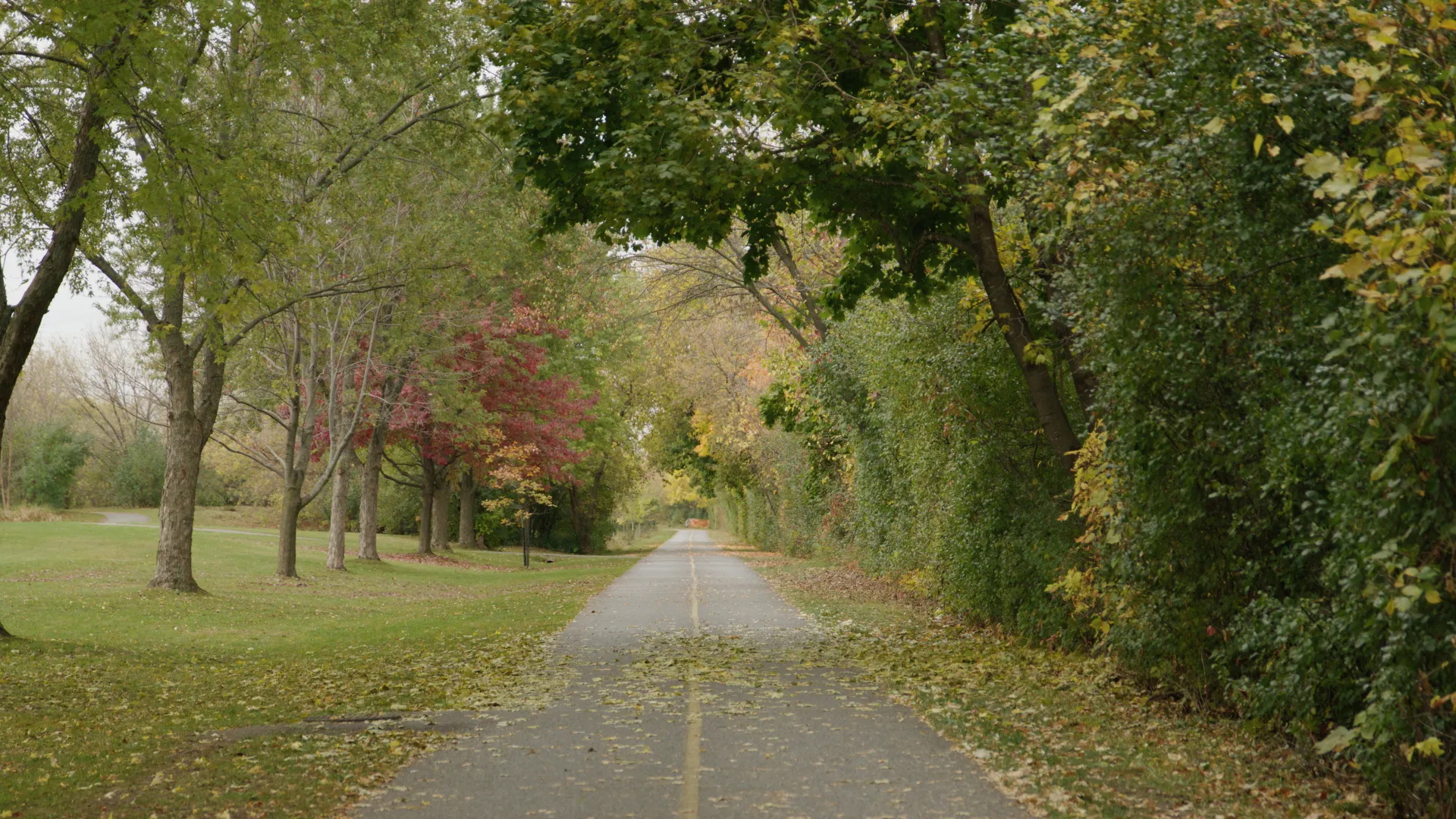
Designing Communities That Bring People Together
For us, architecture goes beyond design: it creates connections between people, places, and projects. Our spaces foster inclusion, interaction, and a genuine sense of belonging, bringing the heart of every community to life.
We shape neighbourhoods where shared spaces foster connection, creativity, and pride.
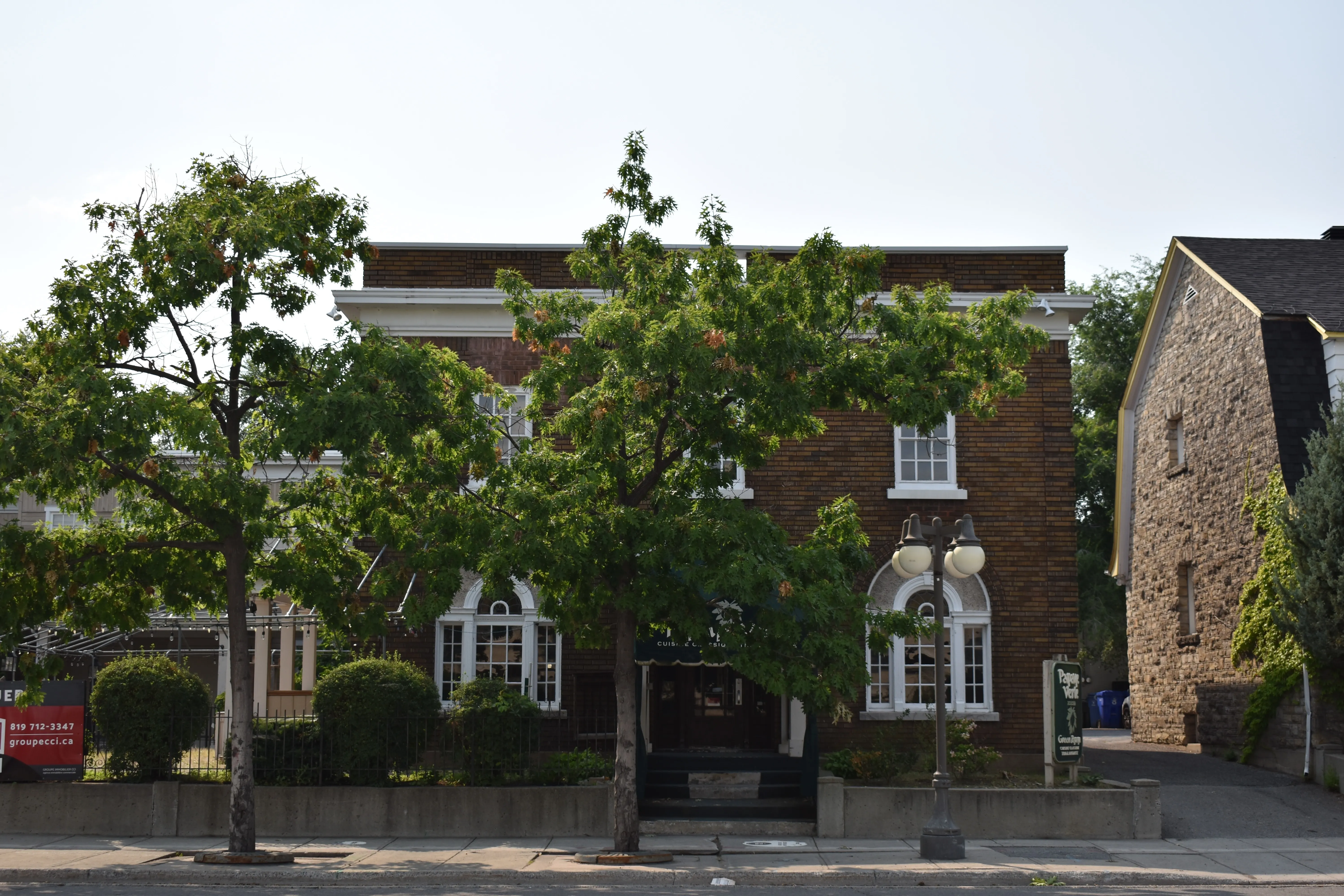
Each project comes to life as a social, cultural, and human ecosystem.
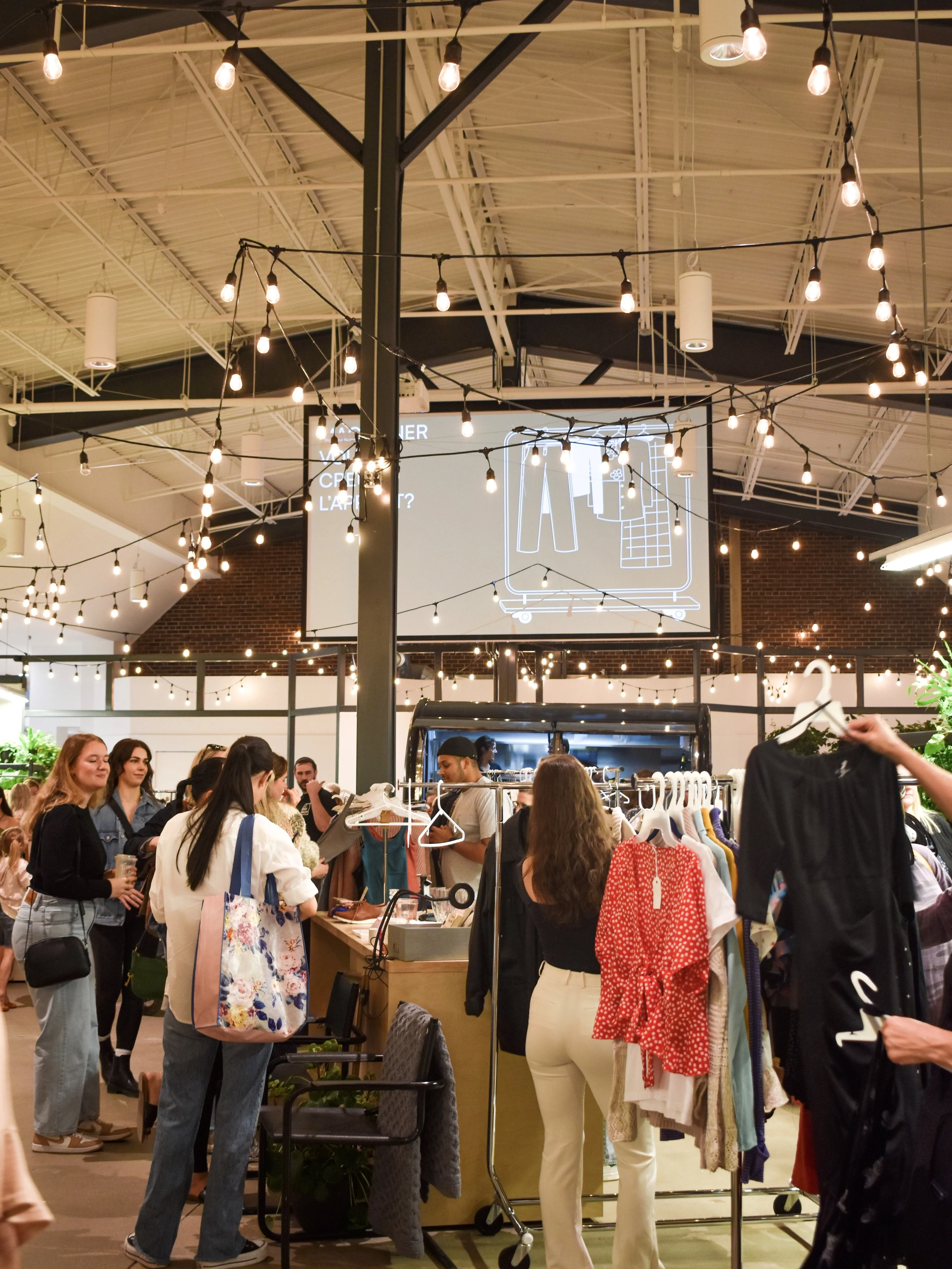
We design spaces that are accessible, inclusive, and comfortable for all generations.
A Vision Built on Four Pillars
For nearly four decades, we have worked to redefine urban development in the National Capital Region. We commit to building environments that respect nature, celebrate culture, and empower people. This philosophy isn’t just about structures t’s about responsibility. Every project is an opportunity to create a meaningful, long-term impact on the places we call home.
Human Connections and Well-being
The city is, above all, a place of relationships. Complete, dense and diverse neighbourhoods are engines of social bonds, where human life can truly flourish. A neighbourhood truly exists only when its residents meet, exchange and weave shared stories. The shape of the city can — and must — support these precious connections.

Mobility & Environment
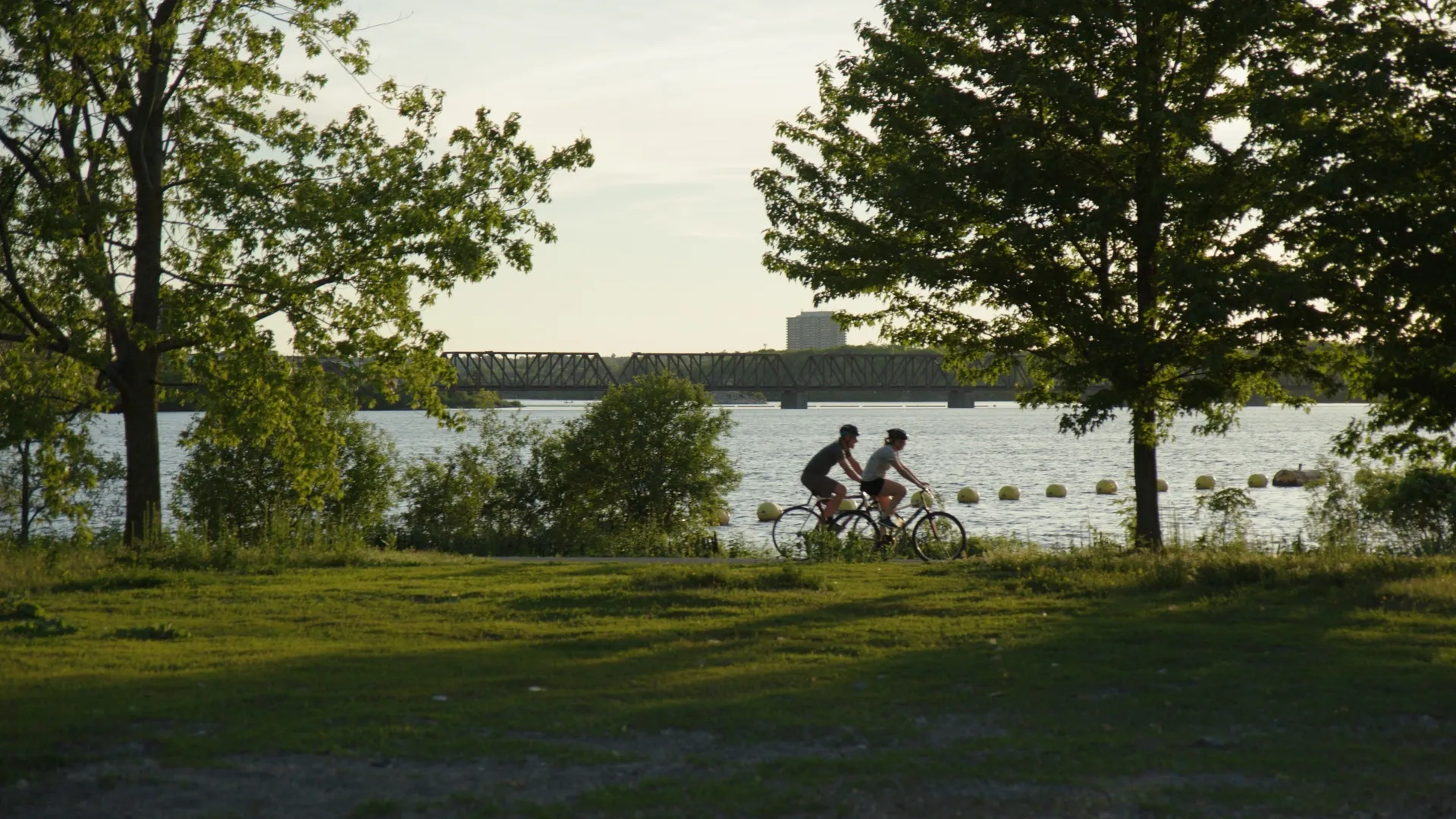
The city is lived through movement. Sustainable mobility is not a constraint — it is a lever, a catalyst for neighbourhoods that are more vibrant, accessible and sustainable. It turns routines into experiences, commutes into encounters, and reduces the footprint of our daily lives on the planet.
Local Economy
The city comes alive when it buzzes with activity. Neighbourhoods become economic ecosystems where every business, every service, and every local initiative fuels collective vitality.

Heritage, Culture & Identity
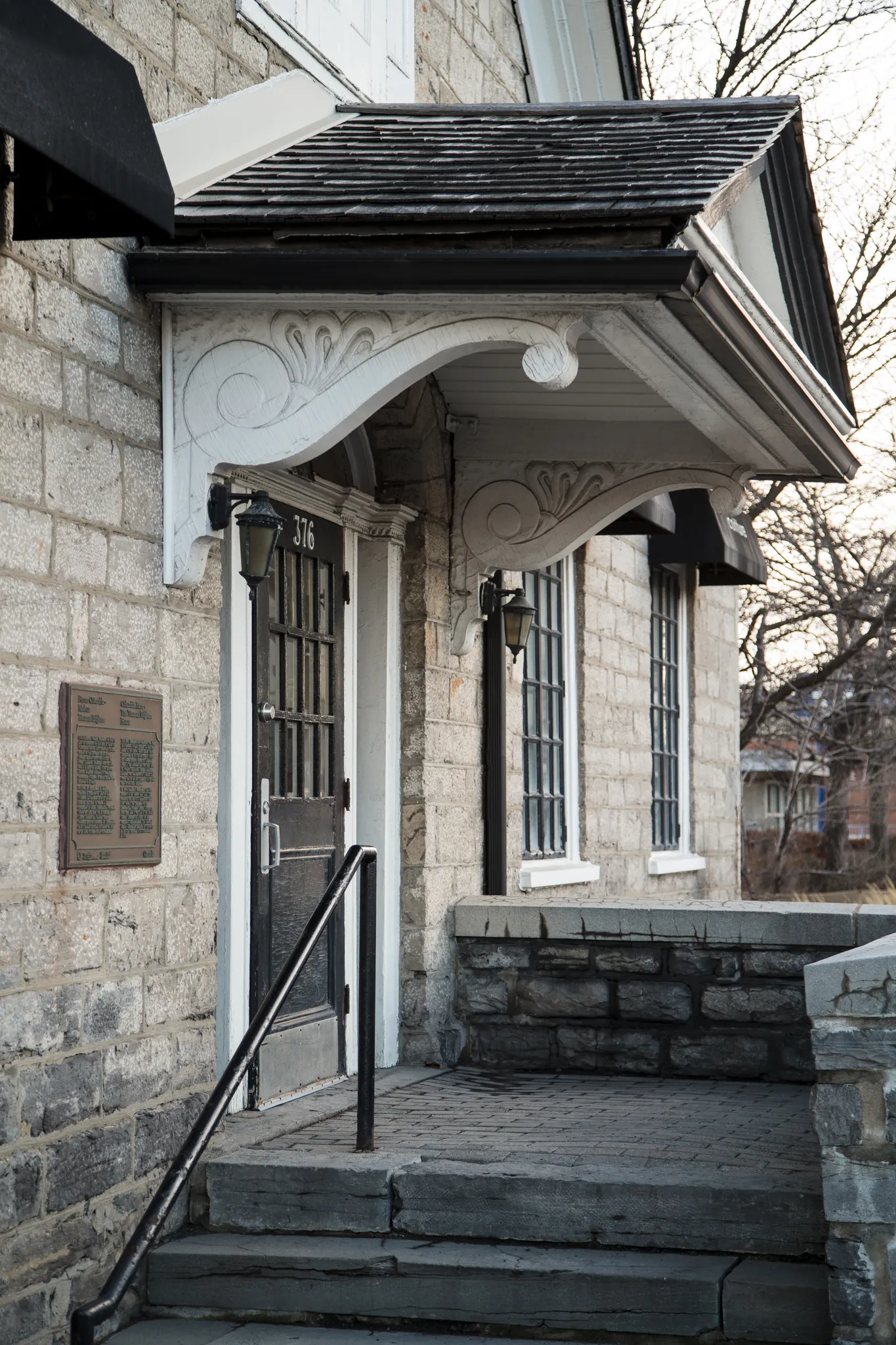
Protecting heritage and culture is an investment in the future. It means building environments where residents recognize themselves, where local memory endures, and where regional identity remains alive and vibrant for generations to come.
“Designing a neighbourhood means imagining pathways and experiences that humanize the city and make it more sustainable.”
Jessy Desjardins,
Vice President, Development and Design, Brigil