10.6.2026
2026 Telfer award series: Young Achiever’s award
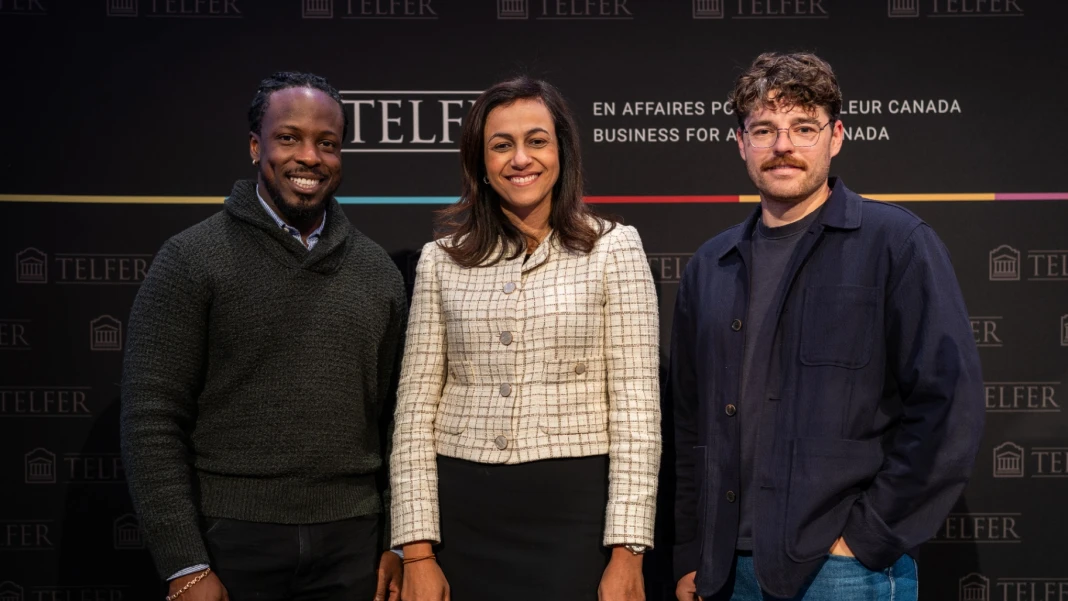
Every year, the Telfer School of Management presents the Young Achiever’s award to inspiring alumni under age 40 who demonstrate professional excellence, contribute to their communities and continue to engage with their alma mater.
This year, in Part 2 of our award series, we celebrate the accomplishments of three rising stars and explore how their experiences at Telfer helped drive their success today.
Jessy Desjardins (BCom ’19): Redefining urban development in the modern age
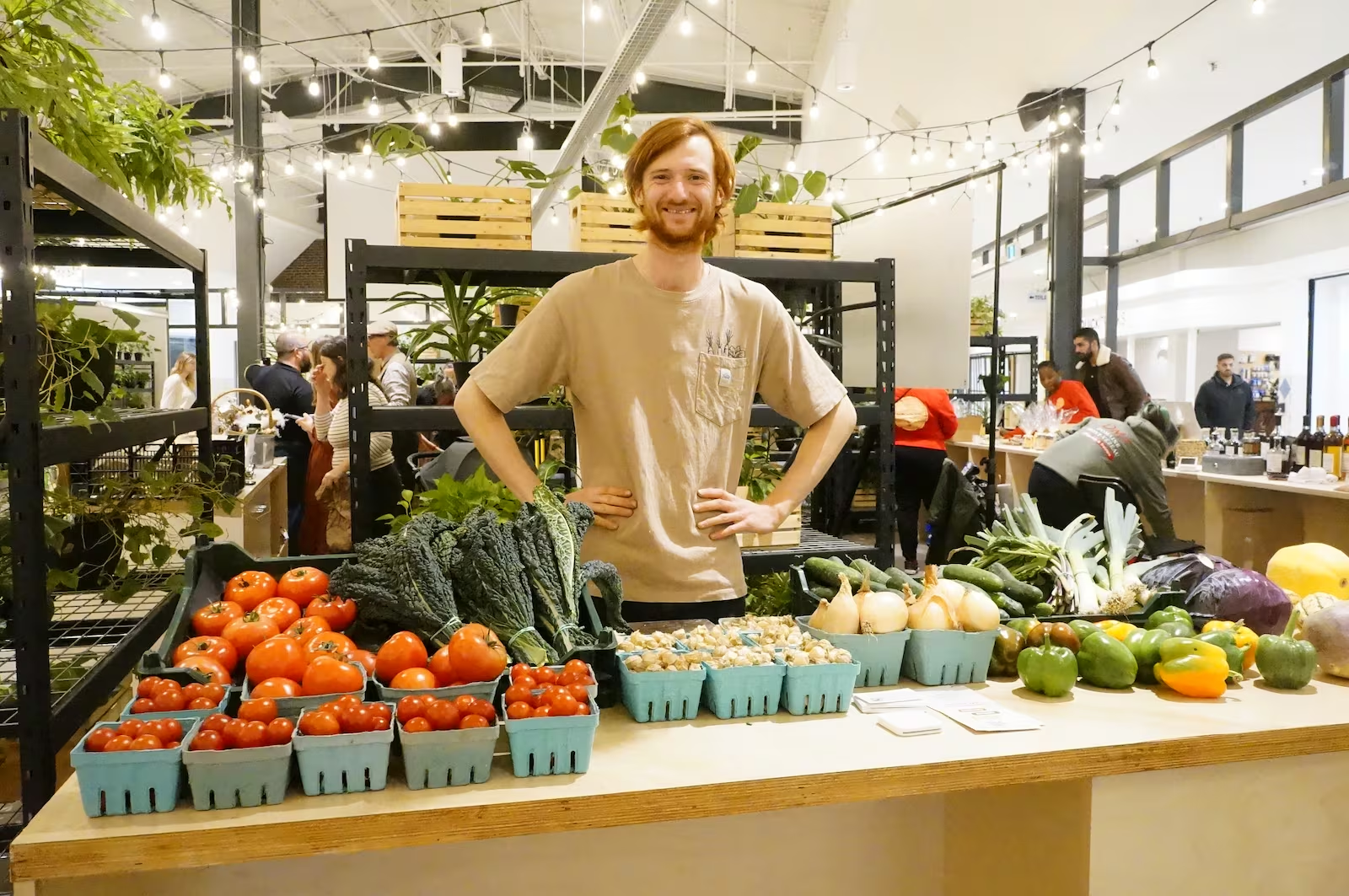
Jessy Desjardins is the chief product and brand officer at Brigil. He oversees real estate products from urban development and architectural design through commercialization. Since graduating from Telfer in 2019, Desjardins has been the president of the largest environmental fundraiser in the Outaouais region, raising $2 million for the Boucher Forest Foundation. He also piloted the redevelopment of one of Gatineau’s oldest malls, Espace Canevas, into a vibrant social hub hosting local businesses and community events.

What was your most memorable learning experience at Telfer?
When I entered Telfer in 2015, I wasn’t sure about my career path. I was transitioning from freestyle skiing while trying to find something that would give me a purpose. In that process, my grades suffered, as I wasn’t committed to my academic journey. I was put on academic probation, but with the help of Telfer’s advisers, I turned things around. I think that was the best lesson anyone could have taught me, and it helped instill resilience. It’s important to admit failure and to learn from it. Life is a process of iteration.
How did you start on your current career path?
I grew up, like many in my generation, with the dream of making a positive environmental impact on our world. I wanted to study sustainability. However, I rapidly discovered that everything depends on the way we shape our cities and how we live our lives. The best way to reduce our greenhouse gases and create places that make people happier and healthier is to develop cities and lifestyles that incorporate public and active transportation, foster community and support cultural density. As a result, I decided to pursue my studies in finance with the hope of joining the family business in urban development.

What has been one of your biggest professional challenges, and how did you overcome it?
It has been building human-centric communities in a car-centric culture. It’s an ongoing challenge that we have not yet solved, and one that will likely take generations. In North America, we’re still living with the consequences of decisions made in the 1950s, when the automobile industry reshaped our cities around the car — neighbourhoods were redesigned for vehicles instead of people. This legacy has increased infrastructure and transportation costs, air pollution, health concerns and social isolation. The good news is that I can see the tide turning.
The more people experience human-centric environments, the faster our understanding of cities grows, and the more our expectations change. If Amsterdam did it in the 1970s and Copenhagen did it in the 1980s, so can we in 2026.
How do you connect with the next generation of community and business leaders?
When I look at cities that successfully create links with leaders and new generations, it’s all about making the space for those connections. At Canevas and our other sites, we’re always looking to partner with community leaders to host events and get-togethers. That’s where dialogue happens. That’s where people get to know their neighbours and begin to understand each other.
To learn more about how Canevas finds inspiration for human-centred environments, join Desjardins and his team as they travel around Copenhagen: Canevas à Copenhague (YouTube).
Related News
Lorem ipsum dolor sit amet consectetur adipiscing elit. Praesent commodo nunc vitae justo fermentum, sed posuere sapien dignissim. Curabitur tempus, risus id viverra luctus, nunc elit blandit erat, sit amet finibus orci nisl non justo.
11.11.2026
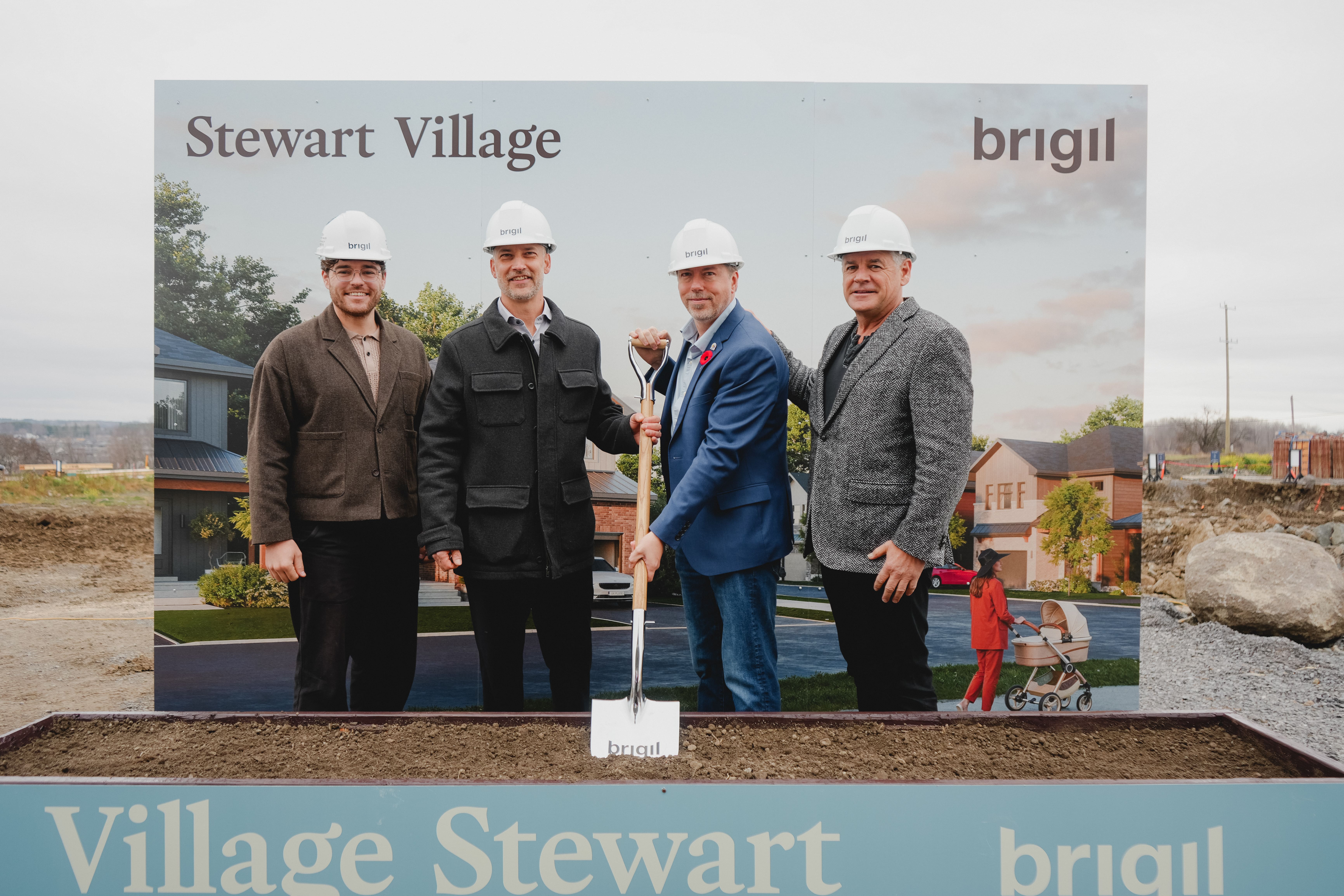
Brigil Breaks Ground on Stewart Village, a New Neighbourhood Inspired by Rockland’s History and Built Around a Large Central Park

10.26.2026
104.7 FM - Brigil is aiming to set up a permanent market in Gatineau (French only)

10.25.2026
Brigil to start construction ‘shortly’ on massive three-tower project at former Ottawa Greyhound terminal